The Invisible Infrastructure Revolution
While tech headlines obsess over AI breakthroughs and billion-dollar acquisitions, there’s a quieter revolution happening that actually matters more. Open source projects, built by volunteer communities and maintained through collaborative development, now form the backbone of virtually every digital service we use. The numbers tell a story that would make any enterprise software CEO envious: Linux distributions power more than 96 percent of the top one million web servers globally. It’s basically become the operating system of the internet.
This dominance goes far beyond operating systems. Apache HTTP Server, Nginx web servers, and PostgreSQL databases collectively underpin enterprise operations worth billions in annual revenue. These aren’t niche tools for hobbyist developers. They’re the load-bearing walls of global commerce, handling everything from Netflix streaming to financial trading platforms. Here’s what strikes me as remarkable: the most mission-critical software infrastructure runs on code that anyone can download, modify, and redistribute for free.
What makes this phenomenon particularly interesting is how it challenges traditional business models. While proprietary software companies spend millions on marketing and sales teams, open source projects achieve market dominance through technical merit and community adoption. The Open Source Initiative has documented this shift for decades, watching as collaborative development models consistently outpace closed-source alternatives in both innovation speed and security responsiveness.
The Sustainability Crisis Behind the Success
The explosive growth of open source adoption has created an unexpected problem: maintainer burnout. The very developers who built and maintain these critical systems often work without compensation, juggling full-time jobs while fielding bug reports and security patches from Fortune 500 companies that depend on their code. This volunteer model worked when open source was a niche pursuit. It buckles under the weight of global enterprise dependence.
Corporate America has finally recognized this unsustainable dynamic. Major technology companies now run dedicated open source funding programs, understanding that their billion-dollar platforms rest on the shoulders of often-unpaid maintainers. GitHub’s sponsorship program alone has distributed over $30 million directly to project maintainers, representing a shift toward recognizing open source contribution as professional work deserving professional compensation.
The transformation goes beyond individual sponsorship. Companies like Google, Microsoft, and Meta now employ full-time engineers specifically to contribute to open source projects their businesses rely upon. This is a recognition that sustainable infrastructure requires sustainable funding models. The days of treating open source as free labor are rapidly ending, replaced by strategic investment in the commons that underpins digital commerce.
Regulatory Pressures and New Responsibilities
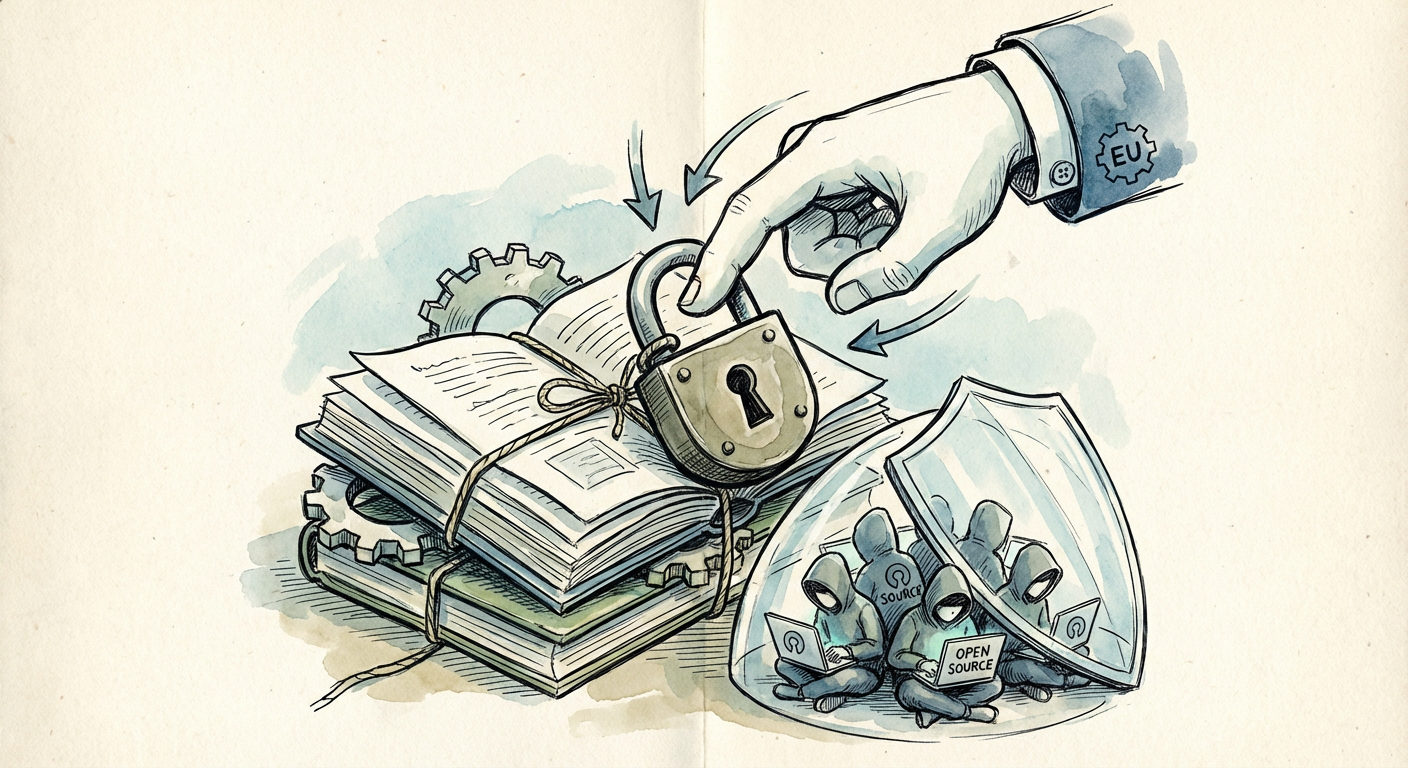
The European Union’s Cyber Resilience Act introduces another layer of complexity to the open source ecosystem. This legislation places liability requirements on software distributed in EU markets, potentially making open source maintainers responsible for security vulnerabilities in ways they’ve never faced before. The implications are profound: volunteer projects that power critical infrastructure may suddenly find themselves subject to the same regulatory scrutiny as commercial software companies.
This regulatory shift forces a fundamental question about responsibility in the digital age. Should volunteer maintainers bear liability for software used by massive corporations? The answer emerging from policy discussions suggests a need for new frameworks that protect individual contributors while ensuring accountability for critical infrastructure. Some propose that companies using open source in commercial products should assume liability responsibilities, creating a buffer between individual developers and regulatory exposure.
The challenge lies in balancing innovation with accountability. Open source thrives on collaborative development and rapid iteration, qualities that could be stifled by excessive regulatory burden. Forward-thinking policy approaches seek to encourage corporate responsibility for open source dependency management while preserving the collaborative spirit that makes these projects so effective in the first place.
The Next Generation of Critical Infrastructure
Perhaps nowhere is the evolution of open source infrastructure more visible than in the adoption of Rust programming language across safety-critical systems. Linux kernel developers are increasingly integrating Rust components to replace C code in security-sensitive areas, while Amazon Web Services has committed to Rust for new system-level services. This transition is more than a programming language preference. It’s a recognition that memory safety and concurrent programming paradigms are now essential for infrastructure reliability.
The Rust adoption story illustrates how open source development can leapfrog established technologies through superior design principles. Unlike gradual migrations between commercial software products, open source communities can make bold architectural decisions based purely on technical merit. The result is infrastructure that’s not just cost-effective, but genuinely superior to proprietary alternatives in security and performance characteristics.
This technical evolution happens alongside growing professionalization of open source development. GitHub Open Source initiatives demonstrate how major platforms now provide sophisticated tooling for project governance, security scanning, and contributor management. The amateur hobbyist image of open source development is giving way to professional engineering practices that meet or exceed enterprise software standards.
Building Tomorrow’s Digital Foundation
The maturation of open source from enthusiast project to critical infrastructure is one of the most significant economic phenomena of the digital age. We’re witnessing the emergence of a new model where collaborative development, corporate investment, and regulatory oversight combine to create robust, sustainable technology platforms. This isn’t just about software. It’s about how society organizes itself to build and maintain essential digital infrastructure.
The path forward requires continued evolution in funding models, governance structures, and regulatory frameworks. Success means preserving the collaborative innovation that makes open source so powerful while ensuring the sustainability and accountability that critical infrastructure demands. For technology professionals, understanding these dynamics isn’t just intellectually interesting. It’s professionally essential for navigating the systems that will define the next decade of digital development.